USDCAD open: 1.3938 overnight range 1.3893-1.3940, close 1.3898
USDCAD shook off latent effects from month end selling pressures and rallied yesterday and continued to climb overnight. The gains are almost entirely due to a fresh bout of risk aversion after the US attacked Iran and Iran responded by attacking Kuwait, and Bahrain. Prices retreated in early NY trading after weaker than expected ADP Jobs data sent Treasury yields lower.
The Bank of Canada is the main event for Canadians. It is likely to be a non-event. Inflation is too low to justify a rate hike, and elevated global economic risks are to high to cut rates.
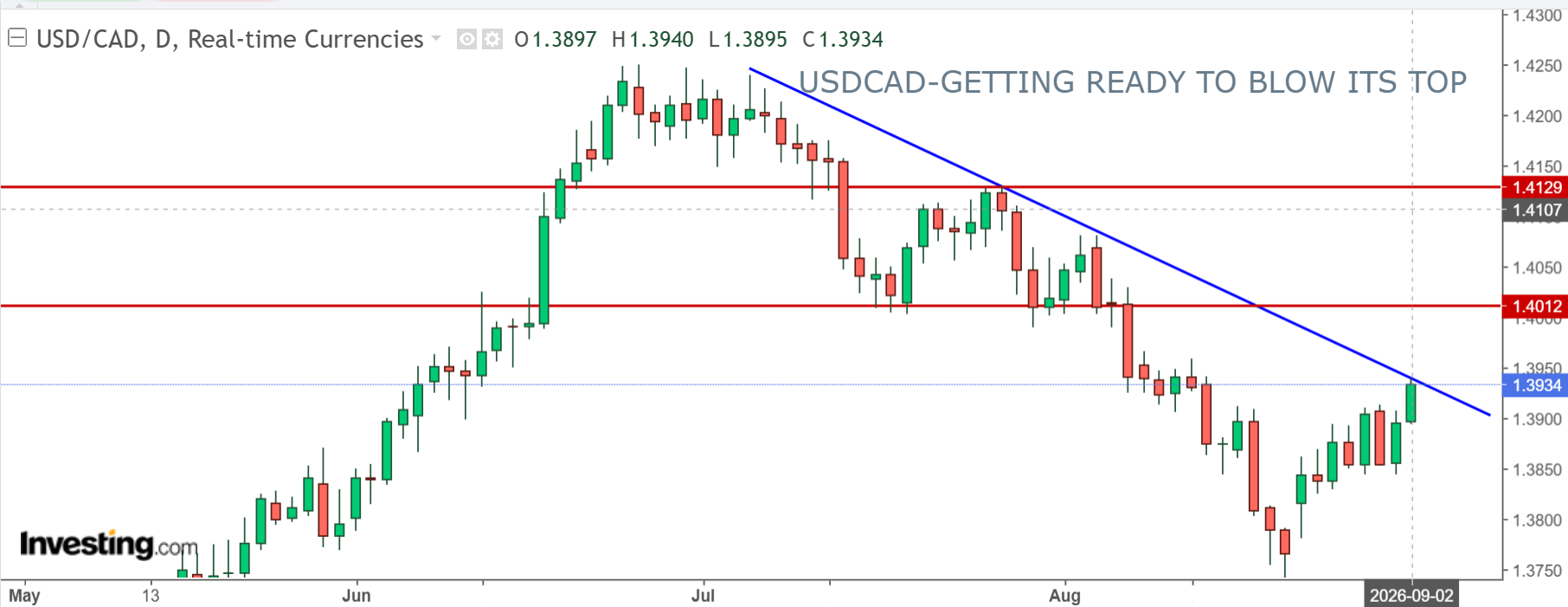
USDCAD Technicals
The USDCAD technicals are bullish while trading above 1.3900 and looking for a decisive break above the 1.3930-50 area to extend gains to the 1.3990-1.4010 zone.
USDCAD is probing the downtrend line from July which comes into play in the 1.3940-50 zone. A topside break targets 1.4010 and risks retesting 1.4130. A move below 1.3840 suggests a retest of 1.3740.
For today, USDCAD support is at 1.3910 and 1.3870. Resistance is at 1.3950 and 1.4010.
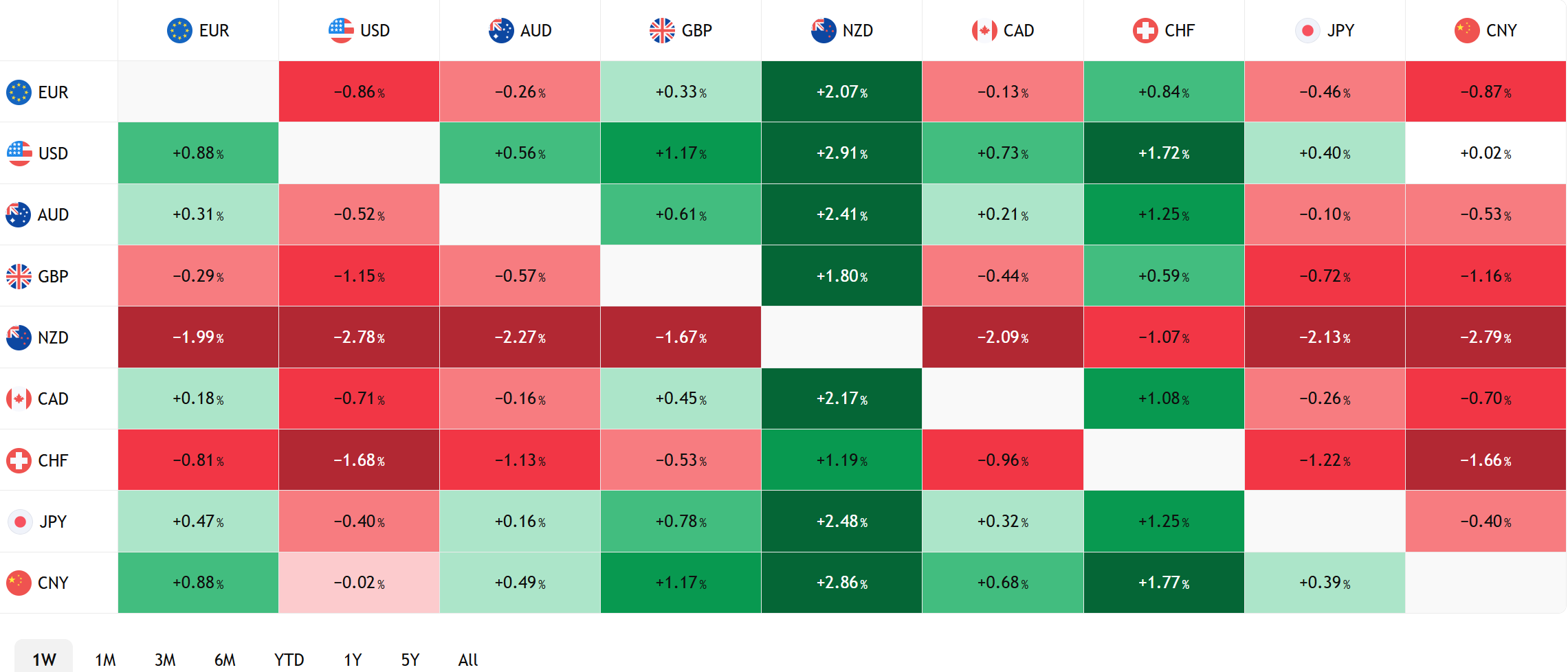
FX Heat Map
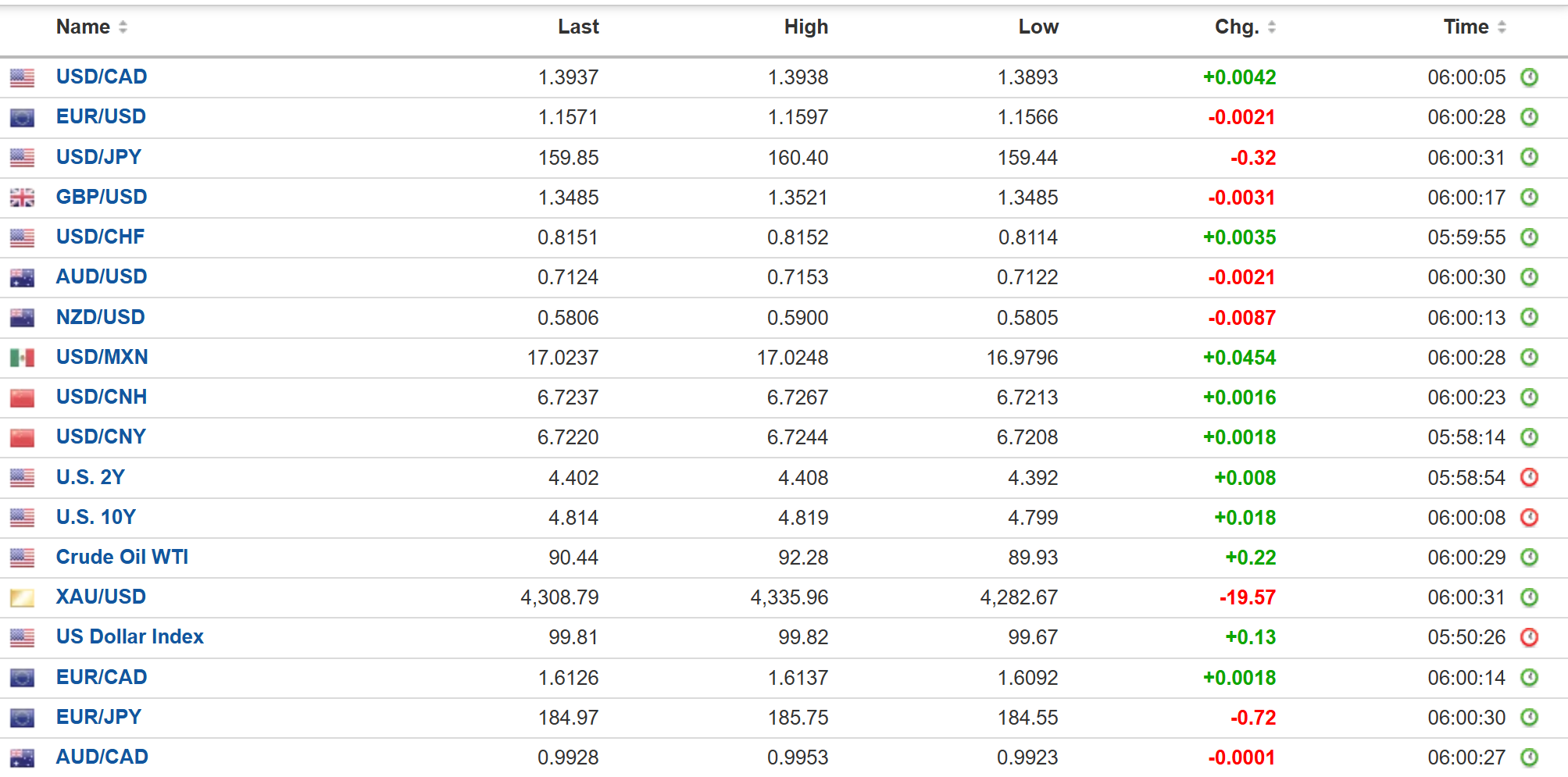
FX open high low 6:00 am
Risk Aversion Returns
Bond traders are assessing the inflation risks from soaring oil prices and putting spend-happy governments on notice: You can keep borrowing to fund your pet projects, but it is going to cost you a lot more. Bond yields rose around the world and central bankers are getting the message. ECB policymaker and Central Bank of Ireland governor Gabriel Makhlouf warned of the need for additional rate hikes if inflation rises. Japan’s 10-year JGB yield hit 3.0% for the first time in 30 years. The 2-year and 10-year US Treasury yields rose to 4.40% and 4.82% respectively before retreating to 4.377% and 4.778%, respectively after the ADP numbers.
The US and Iran unleashed a fresh wave of strikes and Trump, who never met an escalation he wouldn’t narrate, promised an even bigger strike is “waiting in the wings.” He warned Iran would be “totally wiped out as a country” if it tries a third round.
U.S. Data
The US August ADP employment change report was weaker than expected, rising 38,000 rather than the expected gain of 47,000 jobs in August, an improvement from the 47,000 seen in July. The results alongside yesterday’s JOLTS data, is further evidence of a cooling labour market.
Taking Stock
Asian equity markets closed in the red led by a 2.4% drop in Japan’s Topix. Australia’s ASX fell 0.97% and the Hang Seng was flat.
As of 5:30 am PT, European bourses are in the red. The German Dax is down 0.46%, the UK FTSE 100 has lost 0.35% and the French CAC 40 is down 0.14%. S&P 500 futures are up 0.12%, the 10-year Treasury yield is 4.778%, the DXY is 99.71 and Gold is $4,330.22
EURUSD | Range 1.1566-1.1597
EURUSD traded defensively and is trading near the bottom of its overnight band in Europe. Hawkish comments from ECB officials collided with concerns around the French budget debate and renewed risk aversion that sparked broad U.S. dollar demand.
GBPUSD | Range 1.3477-1.3521
GBPUSD is at its session low thanks to renewed risk aversion and the inflationary risks from soaring crude prices because of the reignited Iran conflict. There were not any UK-specific economic numbers leaving greenback sentiment to drive direction.
USDJPY | Range 159.44-160.40
USDJPY had a topsy-turvy session. Prices soared to 160.40 on rising oil prices after the US and Iran renewed hostilities. Then a comment from Bessent suggesting he had “inside knowledge” about a pending Japanese rate hike and hawkish comments from other BoJ officials knocked USDJPY to the lows. Middle East-driven price pressure only strengthens the case for a nimble approach.
AUDUSD | Range 0.7122-0.7153
AUDUSD struggled to gain upward traction despite stronger than expected Q2 quarterly and annual growth. (Q2 GDP rose 2.1% y/y vs forecast 1.8%, and 0.4% q/q vs forecast 0.3%). Across the Tasmanian Sea, the RBNZ hiked its benchmark rate to 2.75% from 2.5% but the move was universally expected, and both currencies fell under the weight of risk aversion demand for greenbacks.
USDMXN | Range 16.9796-17.0196
USDMXN rallied due surging Treasury yields and comments from President Sheinbaum admitting that US tariffs are creating difficulties. However the rally is slowed because MXN and US yield differentials still favour the peso.
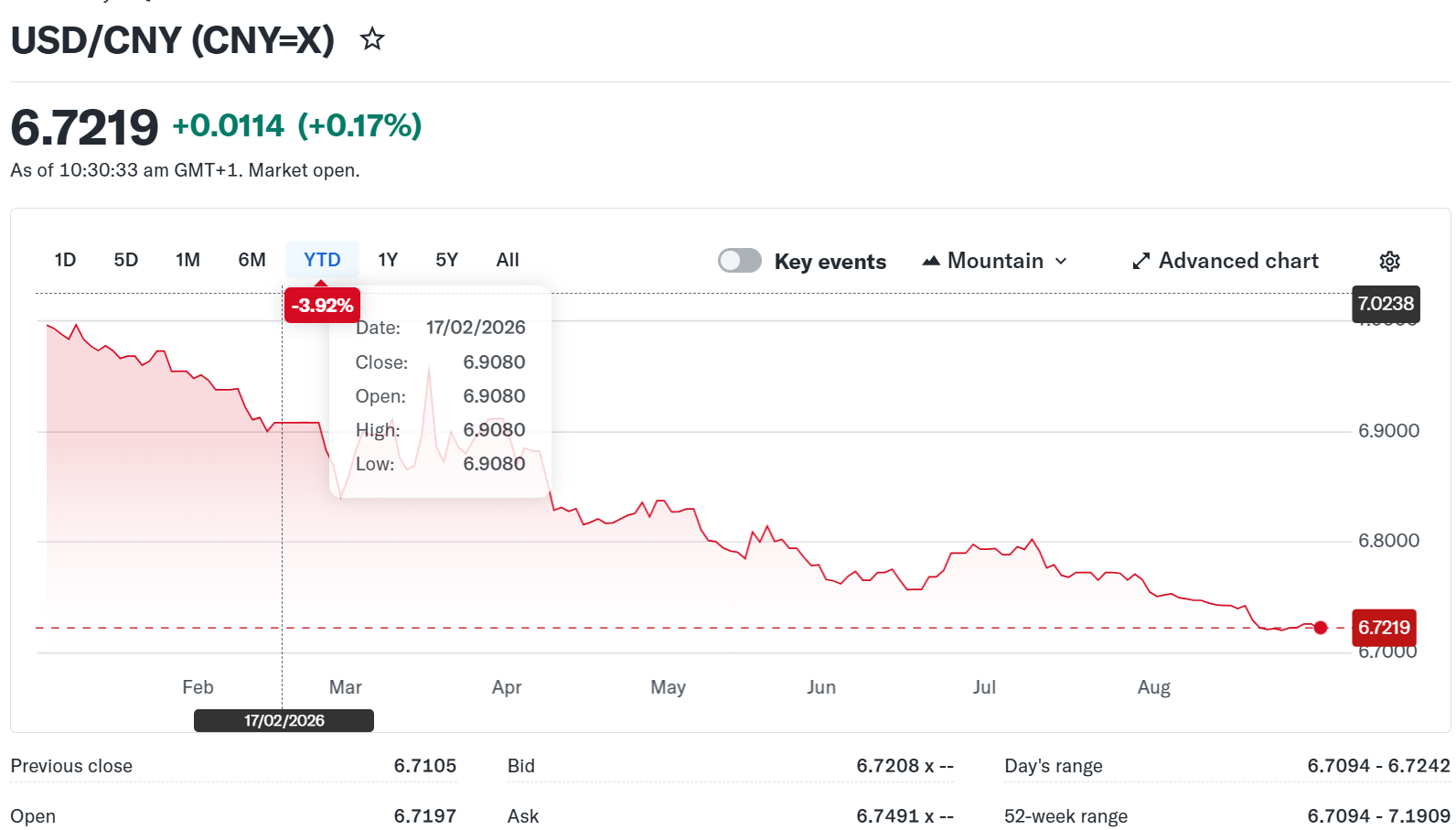
CHINA
- PBoC Fix: 6.7829 vs exp. 6.7238 (prev. 6.7809)
- Shanghai Shenzhen CSI 300 fell 0.1.38% to 4,547.96
President Xi Jinping is in Egypt. He is there to reinforce long term ties and take advantage of what one analyst described as, questions of American reliability and increased volatility in the region, increasing the need for Egypt to diversify its relationships.
Sources: Investing.com, Bloomberg, Reuters, Yahoo Finance, US Census Bureau, Trading Economics, Tradingview